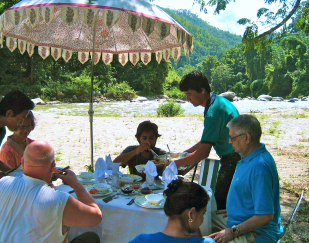
Darjeeling: Unique tea, enchanting locale
In the state of West Bengal, Darjeeling, with its sloping tea terraces and mist-covered winters, boasts a legacy of over 200 years in tea cultivation. Nestled at altitudes ranging from 830 to 1830 metres, the region produces tea in four distinct flushes annually. Renowned for its delicate aroma and flavour, Darjeeling Tea enjoys the status of a registered Geographical Indication (GI), referring exclusively to teas grown in select estates of Darjeeling and neighbouring Kalimpong.
Often celebrated as the “Champagne of Teas,” this black tea is famous the world over. Small quantities of oolong and green teas are also crafted here, adding to its nuanced appeal.
Yet, it’s not just the tea that captivates. The breathtaking scenery, rolling hills blanketed in emerald plantations, panoramic views of snow-clad Himalayan peaks, and colonial-era charm, makes Darjeeling an irresistible destination for discerning travellers.
Colour and culture in Darjeeling
Wildflowers of different colours bloom by the winding roads, white gleaming magnolias and silvery-white fir trees are sprinkled all across the hills. Complemented by the deep blue skies, the green valley looks vibrant with patches of colourful flowers.
Diverse ethnic groups celebrating festivals of Losar and Chotru Duchen, the lamp festival, add colour and cheer to the region.
Spelling its charm over the visitors is a carnival held annually that brings forth a splendid display of varying cultures like the Nepalese and the Tibetan influences on Darjeeling.
Different dances including the Tibetan Cham is acted out with elaborate ensembles and masks by the youth, holding electrifying parades in the streets in joyous splendour of revelry and colour.
Tiger hill & train ride
Darjeeling unfolds like a dream, a jewel nestled in the Eastern Himalayas, where every turn reveals a perfectly framed view of the majestic Kanchenjunga. With its crisp mountain air, undulating tea gardens and rich colonial charm, this hill town offers a refined escape for those in pursuit of beauty and tranquility.
The UNESCO-listed Darjeeling Himalayan Railway, fondly known as the Toy Train, promises a journey you will cherish. As the vintage locomotive meanders past tea plantations and pine-scented forests, one understands why it’s been lauded by the Guinness Railway Book as one of the world’s most spectacular train journeys.
Elevating the experience, quite literally, is a pre-dawn visit to Tiger Hill (2,590 metres), where the sky looks stunning as the first rays of sunlight touch the peaks of Kanchenjunga.
The elegant Loretto Convent, serene Bhutia Busty Monastery, the historic Roy Villa, and the all-white Japanese Peace Pagoda (Shanti Stupa) add layers of cultural richness to your stay.
At the heart of the town, The Chowrasta promenade or better known as The Mall, pulses with a leisurely rhythm, a chic open space where well-heeled travellers from across the globe lounge in the sun, sipping Darjeeling’s finest, against a cinematic backdrop of snow-draped mountains.
A sip that stays with you
Dooar-Terai: Wild and wonderful
The alluvial floodplains of Dooar of the Dooar-Terai ecosystem in the foothills of Darjeeling spreading all the way up to Arunachal Pradesh is another tea producing region of West Bengal.
With a number of national parks and wildlife sanctuaries dotting the region along with the well-connected cities of Siliguri and Jalpaiguri, Dooars is a favourite of tourists from abroad flocking to the tea gardens of North Bengal to experience tea and adventure.
Kalimpong: Brew and boutique stay
The district of Kalimpong, nestled in the Eastern Himalayas, offers an equally enchanting tea experience with a handful of boutique tea estates that attract discerning travellers seeking exclusivity and serenity. This elegant hill station, adorned with colonial charm, is a haven of ineffable natural beauty.
The scenic grandeur of Kalimpong unfolds in sweeping views of pine-cloaked hills and verdant plantations. These lesser-known but premium tea estates, such as the Makaibari and Mission Hill Tea Gardens, offer refined, immersive experiences, from curated tea-tasting sessions and estate tours to stays in heritage bungalows that echo the sophistication of a bygone era.
Assam: Finest tea & alluring adventures
The lowland floodplains of the Brahmaputra River in Assam, enriched with fertile clay soil, form the world’s largest tea-growing region. Famed for its bold and malty black tea, Assam’s plantations produce some of the most widely enjoyed teas globally, including the Irish Breakfast blend.
Although tea is indigenous to Assam, it was a Scottish adventurer in the early 1800s who first recognised and classified the native plant as Camellia sinensis, opening doors to international markets. Today, over 850 tea estates dot the region, many of which offer luxurious stays in heritage bungalows showcasing interiors done with Assamese craftsmanship. These refined estates go the extra mile to recreate the ambience of the British Raj, offering travellers a taste of regal nostalgia.
Guests can enjoy morning walks through expansive plantations, sip on freshly brewed estate teas and watch skilled tea pluckers work in harmony. Guided excursions to nearby villages offer glimpses into local culture and cuisine, while activities such as fishing, river rafting, elephant treks, or teeing off at one of nearby golf courses cater to varied interests. Yet, for many, the highlight remains the curated tea tasting sessions, an indulgent journey into the nuanced world of Assam’s finest brews.
Nilgiri: Opulent plantations and stays
Perched in the southern stretch of India’s Western Ghats, the Nilgiris is a year-round tea-producing paradise that offers a distinct blend of luxury, heritage and natural splendour. Known primarily for its aromatic black tea, the region’s exclusive estates now also craft delicate Oolong, Green, and White teas that are appreciated by the global connoisseur. At an altitude of 2,000 metres, the tea gardens unfurl like green carpets across the hills, inviting the discerning UAE traveller to step into a world of cool-climate indulgence and serene charm.
For those accustomed to the grandeur of the desert, the Nilgiris offers a dramatically different sensory experience. Stay in colonial-style bungalows in Ooty or Coonoor, where personalised service, gourmet cuisine and curated tea experiences blend with nature’s tranquillity.
Ooty's botanical gardens, tranquil lakes, wildlife sanctuaries, waterfalls and panoramic views from Doddabetta Peak are ideal for exploring. With its mild summers the Nilgiri region is a refreshing escape for UAE residents seeking a luxurious retreat in the lap of nature.
Wayanad: Tea and the mist-clad hills
Located in the heart of the Malabar region, Wayanad, often referred to as the Green Heaven of Kerala, is an experience every traveller will behold.
A highlight of any luxury tea trail in Wayanad is the Wayanad Tea Museum, where the exhibits transport you through the evolution of the tea industry. The region offers exquisite heritage homestays and boutique plantation retreats, where personalised hospitality is topped with gourmet Kerala cuisine.
You could be strolling through the tea gardens, waking up to the chirping birds in a forest-view suite, or unwinding with Ayurvedic therapies under ancient trees. In Wayanad time just stands still.
Palampur: Pine trees and paragliding
Palampur, the Tea Capital of the North, is located in the northern state of Himachal Pradesh. Rolling slopes of bewitching tea plantations with the all-round aroma of a blend of tea and pine have numerous tourist attractions.
Most prominently, it is one of the world’s best aero sports sites and the venue for the world para-gliding tournament.
And some more.
Kolukkamalai in Tamil Nadu in southern India, at an elevation that is the highest in the world for a tea plantation, has some stunningly picturesque locations that you can Instagram.
Munnar and Travancore in Kerala with a rich historical and cultural heritage and spell-binding beautiful tea estates are the others in the southern part of India.