At Flying Squirrel Holidays, every Rajasthan journey is artfully tailored to reflect your personal style of travel. Each itinerary is designed to balance discovery with indulgence, ensuring a seamless flow of experiences that linger long after the journey ends. A meticulously planned Rajasthan tour is the cornerstone of an exceptional holiday, allowing the state’s many layers to unfold with elegance and ease.
A taste of royalty
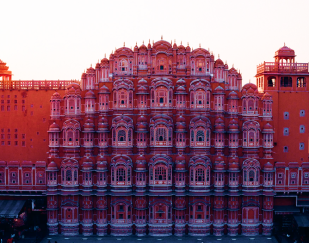
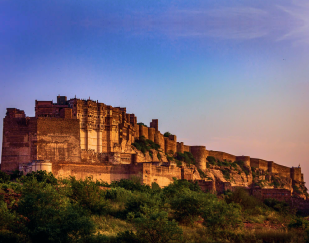
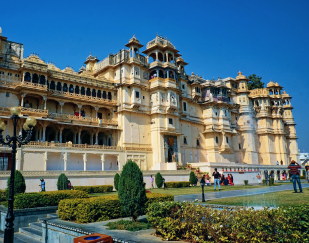
Rajasthan, aptly known as the Land of the Rulers, is a living museum of regal splendour. Its majestic forts, ornate palaces and storied museums captivate travellers with gilded frescoes, intricate carvings and centuries of living history. Architectural elements such as jharoka windows, step wells and mirrored halls appear across the state, offering glimpses into an era of refined grandeur. Guided heritage walks remain one of the most evocative ways to absorb this royal legacy.
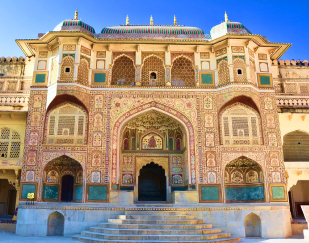
Amer Fort, also known as Amer Kila, rises dramatically from the rugged hills just outside Jaipur. Crafted in red sandstone, its fairy tale silhouette conceals a harmonious blend of Hindu and Mughal design. Inside, exquisite meenakari adorns the walls, while the famed Sheesh Mahal, or Hall of Mirrors, dazzles with its luminous reflections.
In Bikaner, the formidable Junagarh Fort stands apart for its ground level construction, signalling a preference for opulence over defence. Within its walls lie a series of lavish palaces, including Anup Mahal with its Mughal era usta artwork and Vikram Vilas, which reveals subtle European influences. Badal Mahal and Hawa Mahal further enrich the fort’s architectural narrative.
The Bundi Palace presents a more haunting beauty. Once resplendent, it now stands partially in ruin, a condition famously described by Rudyard Kipling as the work of “goblins rather than humans.” Its stepped wells, monumental elephant statues and gold embellished murals remain a powerful draw for history lovers.
No Rajasthan journey is complete without time spent within these stately residences, where the past unfolds through corridors of stone, art and memory.
Desert dreams and golden horizons
Nearly forty percent of Rajasthan’s population inhabits the Thar Desert, a landscape as vibrant as it is vast. Jaisalmer, affectionately known as the Golden City, is the gateway to this shimmering expanse. Desert safaris here offer immersive encounters with dune life and village traditions.
Exploration by jeep or quad bike reveals sand dunes that rise dramatically against the horizon. Evenings unfold in luxury desert camps, where guests enjoy folk performances, traditional cuisine and starlit skies, all from the comfort of elegantly appointed tents. The desert, in all its silence and spectacle, leaves an indelible impression.
Culinary legacies of the royal kitchens
Rajasthani cuisine reflects both climatic ingenuity and royal indulgence. Limited water resources shaped a menu low on fresh produce, while princely traditions ensured extraordinary depth of flavour and variety.
Vegetarian fare takes centre stage, with classics such as dal baati churma, combining ghee enriched wheat dumplings, spiced lentils and sweetened wheat crumble. Gram flour features prominently in dishes like besan ki kadi and gatte ki curry, both beloved for their robust taste. Street favourites such as mirchi vada deliver a bold, fiery bite.
Non vegetarian offerings are equally distinctive. Laal maas is a deeply spiced, tomato based meat curry, while the subtler mohan maas pairs meat with milk and dried fruits for a refined finish.
Desserts form the crowning glory, from crisp ghewar and moong dal halwa to almond halwa, balushahi and gujia. Traditional thalis served across the state invite travellers to sample this rich culinary heritage in its most authentic form.
Wilderness encounters and natural diversity
Rajasthan’s varied terrain supports an impressive array of wildlife, from desert ecosystems to wetlands, hills and dry forests. Exploring these landscapes is an essential part of understanding the state’s natural and cultural richness.
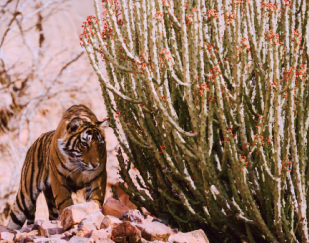
Ranthambore National Park, one of India’s foremost tiger reserves, offers thrilling safaris through ancient ruins and forested valleys. Alongside tigers, visitors may encounter leopards, sloth bears, jackals, chital, nilgai, macaques and the Indian wolf.
Sariska Tiger Reserve presents a contrasting habitat of grasslands and deciduous forests. In addition to Bengal tigers, it shelters hyenas, sambal, wild boar and a wide variety of birdlife including peafowl and horned owls.
Keoladeo Ghana National Park, formerly Bharatpur Bird Sanctuary, is among Asia’s finest birding destinations. Migratory and resident species such as pelicans, ducks, eagles and warblers flourish here, with the rare Siberian Crane arriving seasonally. Mammals including blackbuck, nilgai and golden jackals further enrich the park’s biodiversity.
Luxury resorts surrounding these reserves ensure that wildlife encounters are enjoyed in exceptional comfort.
Lakes of reflection and romance
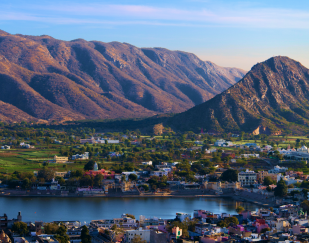
Despite its arid climate, Rajasthan is adorned with striking man made lakes that lend its cities a poetic charm. Udaipur, celebrated as the City of Lakes, is particularly enchanting.
Lake Pichola enchants with sunrise and sunset vistas, its waters framed by islands, temples and palatial mansions. The iconic Taj Lake Palace rises from Jag Nivas island, while Jag Mandir’s Gul Mahal is said to have inspired the Taj Mahal itself. Arsi Vilas island hosts a bird sanctuary, and a boat ride across the lake reveals ornate bridges and timeless views.
Fateh Sagar Lake offers a more contemporary setting, its turquoise waters embraced by the Aravali Hills. Its islands host Nehru Park, a popular picnic destination complete with a zoo and boat shaped restaurant.
Sambhar Lake, near Jaipur, offers a striking contrast. This saline wetland appears almost white against its surrounding hills and serves as a breeding ground for flamingos, alongside winter migratory birds from distant regions. Cenotaphs and panoramic sunset views add to its allure.
Mount Abu and its serene heights
Mount Abu, Rajasthan’s only hill station, rests near the Gujarat border and offers a refreshing retreat from the desert plains. Its natural beauty is complemented by spiritual significance.
The Dilwara Jain Temples are renowned for their marble craftsmanship, intricate carvings and sculptural finesse, drawing pilgrims and art lovers alike. Nakki Lake reflects the changing hues of the sky, while the Mount Abu Wildlife Sanctuary is home to a notable leopard population. Trevor’s Tank, a man made crocodile breeding site, and birdwatching trails add to the region’s appeal.
Popular as a honeymoon destination, Mount Abu delights with sunset viewpoints and whimsical rock formations such as Toad’s Rock.
Best time to visit
The ideal season to explore Rajasthan is from October to March, when temperatures are pleasant and perfect for sightseeing, desert safaris and wildlife experiences. Summers can be intensely hot, while the monsoon months bring occasional rain and fewer crowds.
Connectivity from the UAE
Rajasthan is easily accessible from the UAE via regular flights from Dubai, Abu Dhabi and Sharjah to major Indian hubs such as Delhi, Jaipur and Udaipur. From these gateways, well connected domestic flights, luxury trains and chauffeured drives ensure smooth onward travel across the state.
Visa for UAE nationals and residents
Visa-on-Arrival (VoA) is available for certain UAE nationals under specific conditions. India’s VoA scheme allows Emirati citizens to obtain a visa at select Indian airports only if they have previously held an Indian e-Visa or a regular (paper) visa (even if they did not actually travel on it). This means that if you have never before had an Indian visa, you cannot use the Visa-on-Arrival facility on your first visit and must instead apply for an e-Visa or regular visa in advance. Once you have held an Indian visa at least once, you are eligible for VoA on subsequent trips for purposes such as tourism, business, conferences or medical visits for stays up to 60 days. This facility is offered at nine major airports across India, and standard entry requirements, such as a passport valid for at least six months and sometimes proof of return/onward travel, still apply.
UAE residents of other nationalities may also apply for an Indian e Visa, subject to passport eligibility. Travellers are advised to check current requirements and apply in advance for a seamless travel experience.