Coorg: Coffee Paradise & Waterfall Haven
For travellers from the UAE, Coorg presents a welcome shift into a world of cooler climates, lush landscapes, and unhurried living. Draped in mist and framed by rolling hills, this tranquil region in the Western Ghats offers an atmosphere that feels instantly calming. Days unfold amid coffee estates, forested paths, and scenic vistas, creating a gentle rhythm that allows you to disconnect from the pace of urban life and truly breathe.
The experience is enriched by thoughtfully designed stays that blend luxury with nature. Elegant resorts tucked into plantations offer privacy, bespoke experiences, and attentive service, from curated dining to wellness inspired moments. For those accustomed to comfort and detail, Coorg delivers a refined yet soulful escape, where every element is designed to feel personal, restorative, and quietly indulgent.
.OVERVIEW
OVERVIEW
Officially known as Kodagu, Coorg unfolds as a serene hill destination where misty landscapes, rich heritage, and unspoiled beauty come together effortlessly. Tucked into the Western Ghats, this lush region offers rolling hills, dense forests, cascading waterfalls, and aromatic plantations that create a setting of quiet luxury and natural abundance.
Beyond its scenery, Coorg carries centuries of history and culture. Believed to have existed since the 2nd century, the land has been shaped by powerful dynasties including the Kadambas, Cholas, Hoysalas, and the Vijayanagar Empire. The region’s indigenous Kodava community is known for its bravery, traditions, and gracious hospitality, adding depth and character to every visit.
Best time to visit
Coorg is a year-round destination, but the most pleasant time to visit is between October and March, when the weather is cool and ideal for sightseeing, plantation walks, and outdoor experiences.
The monsoon months from June to September transform Coorg into a dramatic green paradise, making it the best season for waterfalls, rafting, and lush landscapes. Adventure seekers especially enjoy this time, as rivers swell and the terrain comes alive.
Connectivity from the UAE
Coorg is accessible by road, with the nearest airport located in Mangalore and the closest railway station in Mysore. Both are approximately four hours away by road.
Travellers from the UAE can fly to major Indian cities such as Bangalore or Mangalore, followed by a scenic road journey into Kodagu. Well maintained highways, government run buses, and private transfers make the journey smooth and comfortable.
Visa for UAE nationals and residents
UAE nationals can avail India’s Visa-on-Arrival (VoA) facility at selected airports, provided they have previously held an Indian visa or e-Visa. This allows stays of up to 60 days for tourism, business, medical, or conference purposes. First-time visitors from the UAE who have never held an Indian visa must apply for an e-Visa or regular visa prior to travel, as the VoA option requires prior visa history. The VoA is available at major Indian airports including Delhi, Mumbai, Bengaluru, Chennai, Hyderabad, Kolkata, Kochi, Calicut, and Ahmedabad, ensuring a seamless and well-connected entry for eligible travellers.
Landscapes shaped by nature
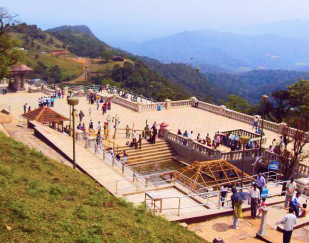
Often referred to as the Kashmir of the South, Coorg is defined by its emerald hills, pristine lakes, and thundering waterfalls. Raja’s Seat remains one of the most iconic viewpoints, offering sweeping sunset views over valleys, coffee plantations, and distant hills. Once a royal retreat, the site is now a beautifully maintained park with a musical fountain and toy train, making it popular with families.
Iruppu Falls, cascading from a height of 170 metres, is one of the tallest and most striking waterfalls in the region. Located near the Brahmagiri Hills, it attracts trekkers and nature lovers alike. Mallalli Falls, surrounded by dense greenery, offers a gentler trail and equally captivating views. Chelavara Falls, known locally as Embepare or Tortoise Falls, plunges dramatically onto a rock shaped like a tortoise, creating a powerful visual spectacle.
Honnamana Kere, a large natural lake nestled among rolling hills, is both scenic and sacred. Surrounded by coffee estates and caves, it holds religious importance and comes alive during the Gowri festival. Visitors often enjoy boating here, soaking in the stillness of the surroundings.
Hills, wildlife and wilderness
Located along the Western Ghats, Coorg’s hills and valleys are rich in biodiversity. Brahmagiri Hill, shared with Wayanad in Kerala, is home to rare wildlife including Nilgiri Langurs, Leopard Cats, Malabar Giant Squirrels, and Indian Pythons. The region is also a haven for bird watchers, with species like the Emerald Dove and Malabar Trogon commonly spotted.
Tadiandamol, the highest peak in Kodagu and the third highest in Karnataka, offers rewarding treks through shola forests, meadows, and plantations. Nishani Motte, surrounded by cardamom and coffee forests, provides equally stunning valley views and is favoured by nature enthusiasts.
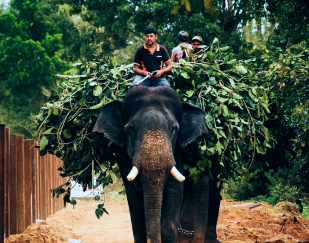
Coorg is home to several wildlife sanctuaries. Brahmagiri Wildlife Sanctuary attracts trekkers and wildlife lovers, while Pushpagiri Wildlife Sanctuary is known for rare bird species such as the Nilgiri Flycatcher. Nagarhole National Park is the best place to spot tigers in the region and is also home to elephants, deer, leopards, and wild dogs. The Kabini reservoir within the park offers excellent wildlife sightings, especially during summer.
Adventure in its purest form
Coorg offers some of the most thrilling adventure experiences in South India. White water rafting on the Barapole River is considered among the most challenging in the country, with rapids ranging from Grade I to IV. Flowing through the Brahmagiri Wildlife Sanctuary, the experience combines adrenaline with spectacular scenery. Dubare offers a calmer rafting option suitable for beginners. The best rafting season runs from June to September.
Quad biking through forest trails is gaining popularity, particularly around Chelavara. The region also offers microlight flights, providing panoramic aerial views of Coorg’s rolling terrain. Rock climbing experiences are available at Honnamana Kere and Gavi Betta.
History and living culture
Coorg’s heritage is reflected in its historic landmarks. Madikeri Fort, originally built in the 17th century and later expanded by Tipu Sultan and the Wodeyars, showcases architectural layers from different eras, including colonial additions like a clock tower and Anglican church.
Omkareshwara Temple, dedicated to Lord Shiva, stands out for its unique blend of Hindu and Islamic architectural elements. The Dargah Sharif of Yemmemadu is an important spiritual site for followers of Islam and hosts the annual Urs festival, drawing devotees from across the region.
The Raja’s Tombs, known as Gaddige, house the remains of Kodava kings and are built in Indo Saracenic style. Coorg also has one of the largest Tibetan settlements in India at Bylakuppe, home to the Namdroling Monastery or Golden Temple, where gilded statues and vibrant murals offer insight into Tibetan Buddhist culture.
The Kodava community remains central to Coorg’s identity, with traditions rooted in courage and celebration. Their cuisine is robust and distinctive, with dishes like Pandi Curry and bamboo shoot preparations reflecting local flavours and heritage.
Coffee and spices of distinction
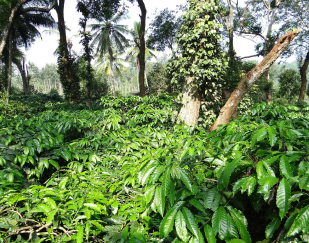
Coorg is proudly known as the Coffee Cup of India, producing some of the world’s finest Arabica and Robusta beans. Visiting a coffee plantation is an essential experience, offering insight into cultivation, processing, and tasting.
Beyond coffee, the region grows pepper, cloves, cardamom, and cinchona. Coorg pepper, in particular, is renowned globally for its quality. Plantations also support rich wildlife, with hornbills and Malabar squirrels commonly spotted among the trees.